How long does it actually take to get a pool approved in downtown Ocean Springs? Ask that question before you close, not after.
In May 2026, Jeremy and Melissa Holland brought a plan to the Ocean Springs Historic Preservation Commission for their property on Sunset Avenue: a gunite pool with a hot tub, a concrete walkway connecting it to their existing pier, a fire pit, some landscaping, and a widened driveway. It's the kind of backyard upgrade thousands of Gulf Coast homeowners make every year without anyone outside the permit office noticing. In the Old Ocean Springs Historic District, it required a public hearing, a recommendation from a seven-member commission, and a final vote from the Mayor and Board of Aldermen before a single truck could deliver gunite.
That two-vote structure is the part buyers of historic homes almost never budget for. The price tag on a Bowen Avenue cottage or a Sunset Avenue bungalow gets plenty of attention. The calendar attached to changing anything visible from the street gets almost none.
The name on the listing isn't the district on the map
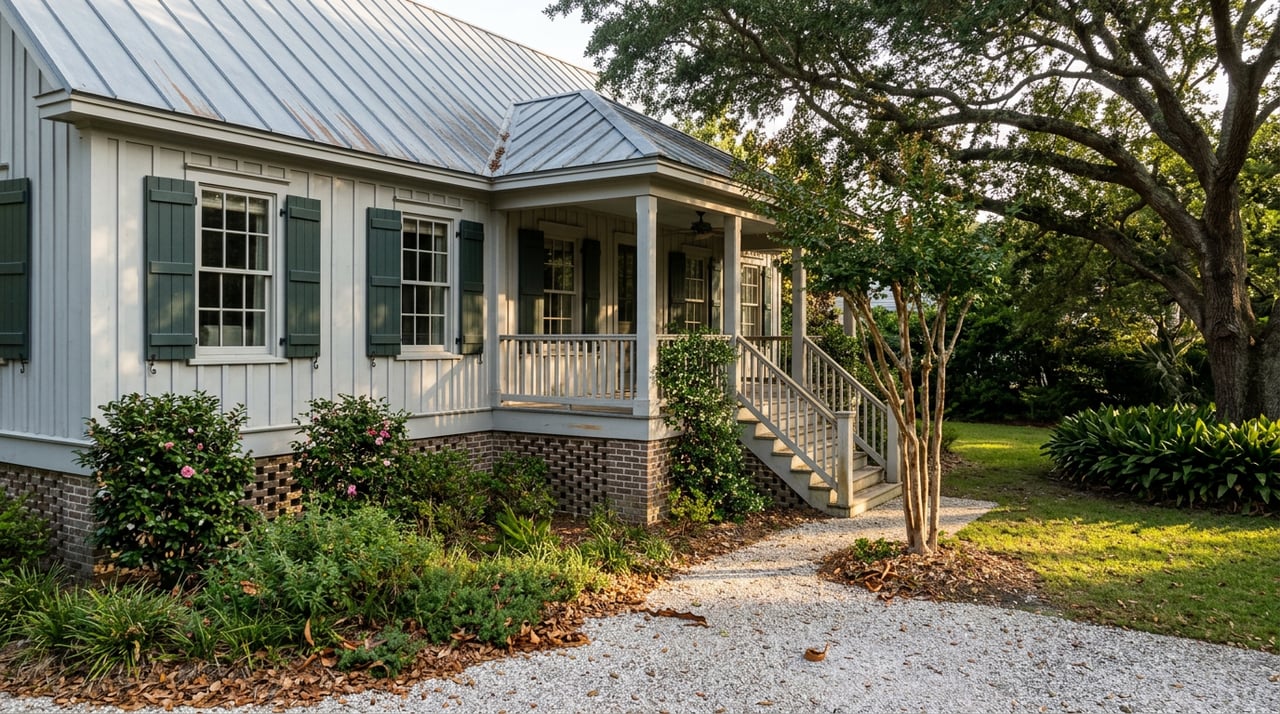
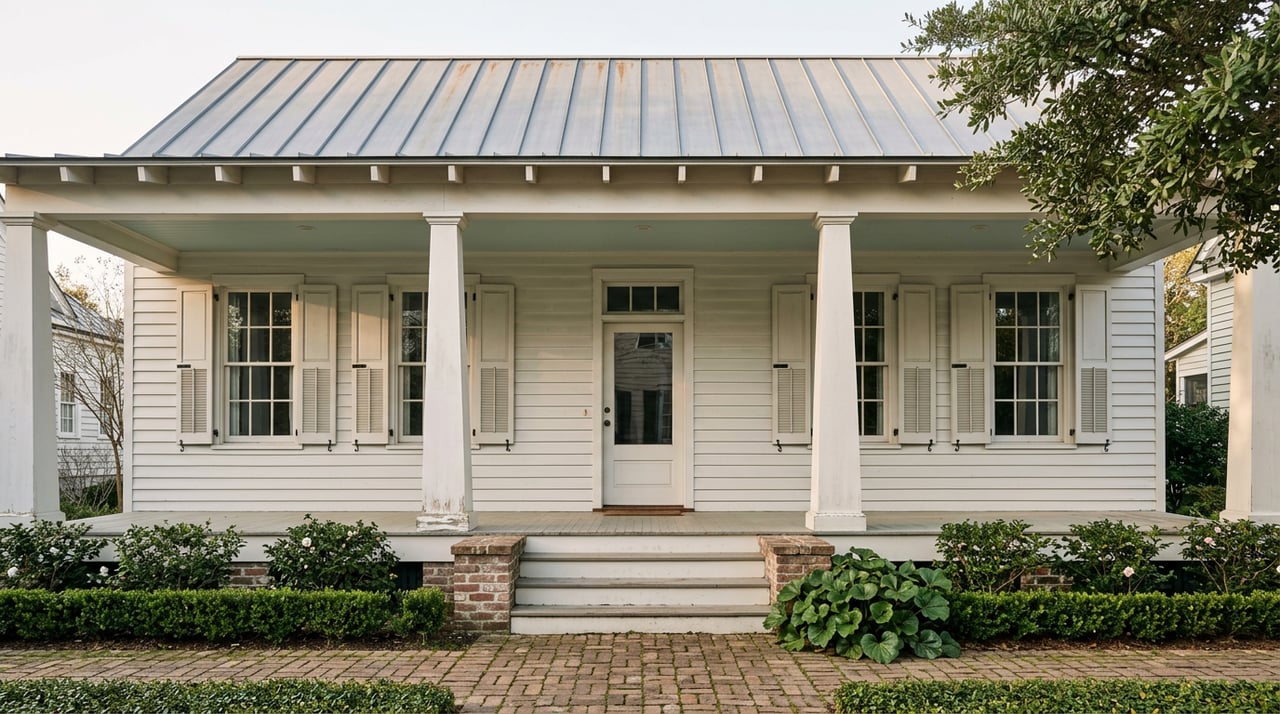
MLS listings in downtown Ocean Springs lean hard on "Golf Cart District" as a lifestyle label, walkable to restaurants, galleries, and the beach. That branding is accurate, but it overlaps almost entirely with the Old Ocean Springs Historic District, a National Register area whose boundaries reach back to the town's earliest steamer-landing days at the foot of Jackson Avenue. A house marketed for its golf-cart charm and a house sitting inside a federally recognized historic district are frequently the same house.
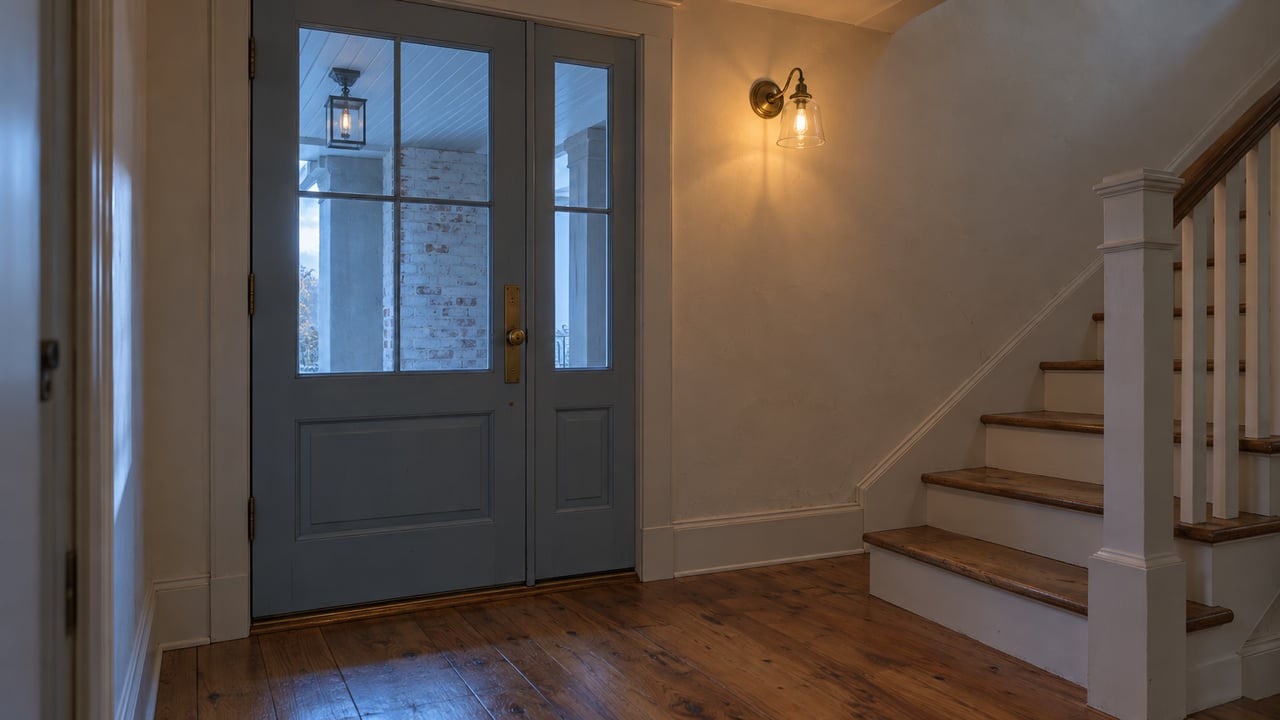
That overlap matters because the historic designation, not the golf-cart nickname, is what triggers design review. Under the city's process, exterior work on a landmark, a landmark site, or any property inside a historic district needs a Certificate of Appropriateness in addition to a standard building permit. The review reaches further than most buyers expect: roofing material, roof form, chimneys, siding, windows, doors, porches, additions, fences, even paint color changes on character-defining features can all fall under Historic Preservation Commission review. A seller's disclosure won't flag this. A walk-through won't reveal it. It surfaces the first time a new owner calls a contractor.
What "two meetings" actually means on a calendar
The process itself explains the lag. Certificate of Appropriateness applications are due by the 7th of the month to be considered at the following month's hearing. Miss the cutoff by a day and the wait roughly doubles. From there, the Historic Preservation Commission only recommends. Final approval belongs to the Mayor and Board of Aldermen, a separate public meeting with its own agenda slot.
Here's how that compares to a straightforward permit on a non-historic lot elsewhere in Ocean Springs:
| Step | Historic-district home | Non-historic home |
|---|---|---|
| Governing review | Building Department + Historic Preservation Commission | Building Department only |
| Application deadline | By the 7th of the month for next month's hearing | Rolling, tied to standard permit review |
| Approval layers | HPC recommendation, then Mayor and Board of Aldermen final vote | Building Official sign-off |
| Neighbor notice | Sign posted on property; surrounding owners notified of pending application | Not required for standard exterior repairs |
| Extra fee | $51 application fee plus $1 filing fee; $25 if the notice sign isn't returned | Standard permit fee only |
That neighbor-notice line is easy to miss on paper and significant in practice. The city's own application requires a sign posted on the property to alert surrounding owners that a project is pending, and there's a real financial consequence, a $25 fee, if that sign doesn't come back. A renovation inside a historic district becomes public knowledge before the first inspection is ever scheduled.
Three real applications, three different triggers
The range of projects that have gone through Ocean Springs' Historic Preservation Commission in 2026 shows how broad "exterior change" really is:
- A gunite pool, hot tub, walkway, fire pit, and driveway widening on Sunset Avenue, filed by Jeremy and Melissa Holland, covering nearly every category of backyard work a homeowner might plan in a single season.
- A 750-square-foot concrete driveway addition on Bowen Avenue, filed by Charles Galle and Wendy Roper, a project that on a non-historic lot would likely need nothing beyond a standard permit.
- A Certificate of Appropriateness for an entirely new home on Shearwater Drive, filed by Martin and Lisa Wagoner, confirming that new construction on a historic-district lot goes through the same design review as a renovation.
None of these are large commercial projects. They're the ordinary upgrades that come with owning a house: a pool, more driveway, a replacement structure. That's the point. The threshold for triggering review in Ocean Springs' historic core is lower than most new owners assume, and it applies whether the home is a century-old cottage or a lot cleared for new construction within the same district.
The credit that offsets the friction
The process isn't only a cost. If the property is a certified historic structure and the project qualifies as a certified rehabilitation, owners can pursue a federal historic rehabilitation tax credit worth 20 percent of qualified costs, and Mississippi offers an additional state credit worth 25 percent, with rules that allow owner-occupied residential eligibility. Both require certification and coordination with the Mississippi Department of Archives and History and the National Park Service before major work begins, not after. An owner who treats the COA process purely as an obstacle can miss a credit that materially changes the math on a renovation budget.
Planning around the calendar, not against it
For a buyer who already has a historic Ocean Springs address in mind, or an offer in hand, the fix isn't avoiding the district. It's sequencing the renovation around a process that moves on its own schedule.
- Confirm historic-district or landmark status before writing an offer with a tight renovation timeline. The city's Planning Department and the Mississippi Department of Archives and History's inventory of Ocean Springs districts can both confirm status.
- If closing falls after the 7th of the month, plan on the following month's hearing at the earliest, and add time for the Board of Aldermen's final vote after that.
- Submit a complete packet the first time. HPC guidance specifies drawings printed no larger than 11 by 17 inches and requires the application in full before scheduling, and an incomplete filing restarts the clock.
- Budget for the notice sign and the possibility of the $25 return fee if it isn't posted or doesn't come back.
- If the tax credits are part of the plan, contact MDAH before ordering materials or starting demolition, since certification approval is expected in advance, not retroactively.
A few questions this raises
Does interior-only work need a Certificate of Appropriateness? The Historic Preservation Commission's stated concern is exterior features. Interior floor plans generally fall outside its review, though any project that changes an opening, structural support, or exterior appearance, even one framed as an interior remodel, can still trigger review depending on scope.
What if my house is inside the district boundary but wasn't built during the historic period? Location inside a designated historic district is what triggers review under the city's ordinance, regardless of a given structure's construction date. The Wagoner application for a new home on Shearwater Drive went through the same Certificate of Appropriateness process as a renovation on a much older house.
Can a denied application be appealed? Mississippi's Local Government Historic Preservation Law, which authorizes local Certificate of Appropriateness processes, also provides for appeals, alongside demolition review and penalty provisions.
The house itself is rarely the surprise in a historic Ocean Springs purchase. The calendar is. Buyers who understand that a pool, a driveway, or a new build inside the district means two public votes, not one, walk into closing with a renovation timeline that matches reality instead of a contractor's optimistic estimate.
If you're weighing a historic Ocean Springs address against a newer build elsewhere on the coast, or you're already under contract and want to know exactly what a renovation calendar looks like before you close, The Worth It Group can walk through the specifics with you. Get a Free Home Valuation and let's talk through what your address means for your plans, before the moving trucks show up.