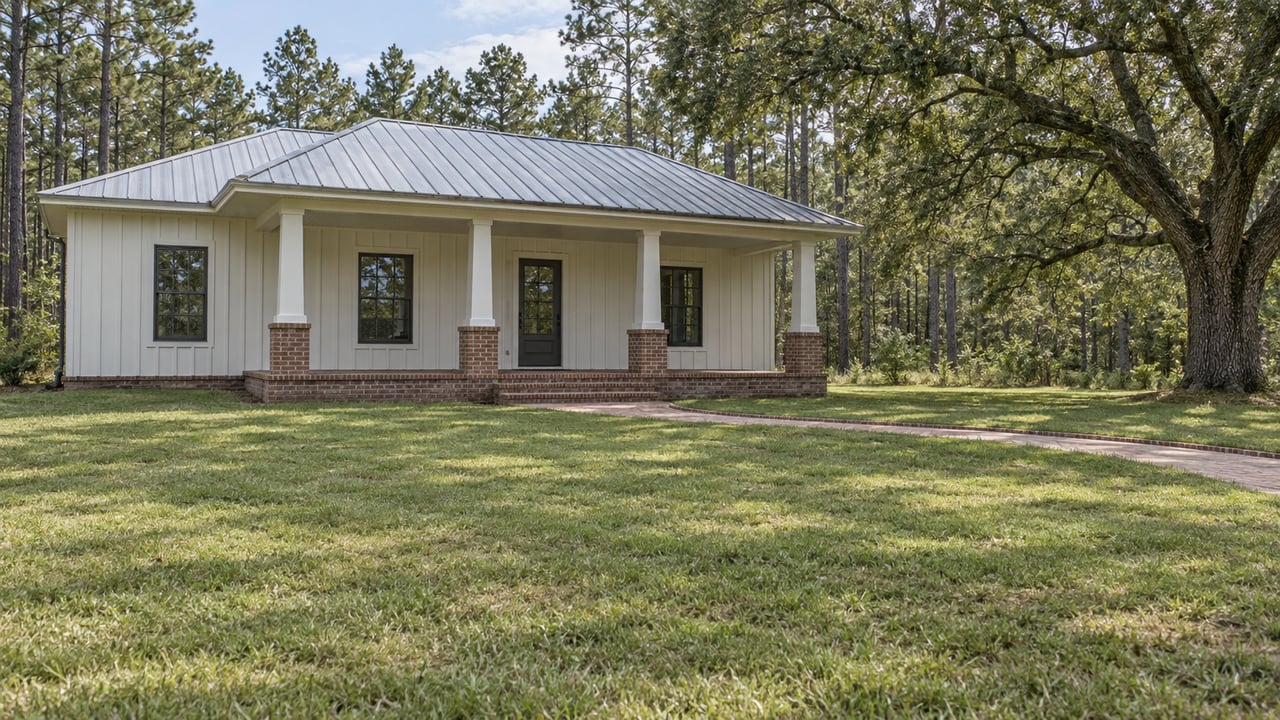
Selling a home with acreage in Vancleave is different from selling a house on a standard lot. Buyers are not just evaluating square footage and finishes. They are also looking at access, usable land, outbuildings, drainage, wells, septic systems, and how the property fits their goals. If you want a smoother sale and stronger buyer interest, it helps to prepare for those questions early. Let’s dive in.
Why acreage sales work differently
Vancleave has a more rural feel than many higher-density markets, and that matters when you sell. According to U.S. Census QuickFacts for Vancleave, the community had 5,592 residents in 2020 across 43.14 square miles of land area, with 95.5% owner-occupied housing from 2020 to 2024. That points to a market where many buyers are looking for long-term use, privacy, and function.
With acreage, the land can influence value just as much as the home itself. Mississippi State University Extension reports that outdoor recreational potential accounted for one-third of rural land value in its survey, and buyers often place value on woods, open areas, ponds, roads, and cabins. In other words, your land features may be part of the main selling story, not just an extra detail.
Start with documents before photos
Acreage listings usually need more paperwork upfront than a typical neighborhood sale. Mississippi’s Property Condition Disclosure Statement asks sellers of residential property with 1 to 4 units about surveys, encroachments, boundary disputes, easements, rights-of-way, drainage issues, flood-hazard zones, wetlands, and other restrictions.
That means buyers are likely to ask detailed questions early. If you can gather key records before listing, you give buyers more confidence and reduce delays during negotiations.
Documents to gather early
- Survey or recorded plat
- Any information on easements or rights-of-way
- Notes or records about boundary questions
- Well and septic records, if available
- Flood-zone or drainage-related information
- Details about outbuildings, fencing, ponds, trails, or access roads
If you do not have every record, that does not automatically stop a sale. It simply means you should know what you can confirm and what may need further review.
Show buyers what the land actually does
One of the biggest challenges with acreage is helping buyers understand the property quickly. A large parcel can be hard to interpret from online photos alone, especially if access points, trails, clearings, or fenced areas are not obvious.
That is why presentation matters so much. MSU Extension’s rural land research highlights features such as roads, cabins, habitat features, and wildlife potential as meaningful drivers of interest and value.
Smart ways to prepare the land
- Mow or clear access paths
- Make the driveway entrance easy to identify
- Clean up around barns, sheds, and other structures
- Mark trails, pond areas, or field edges where possible
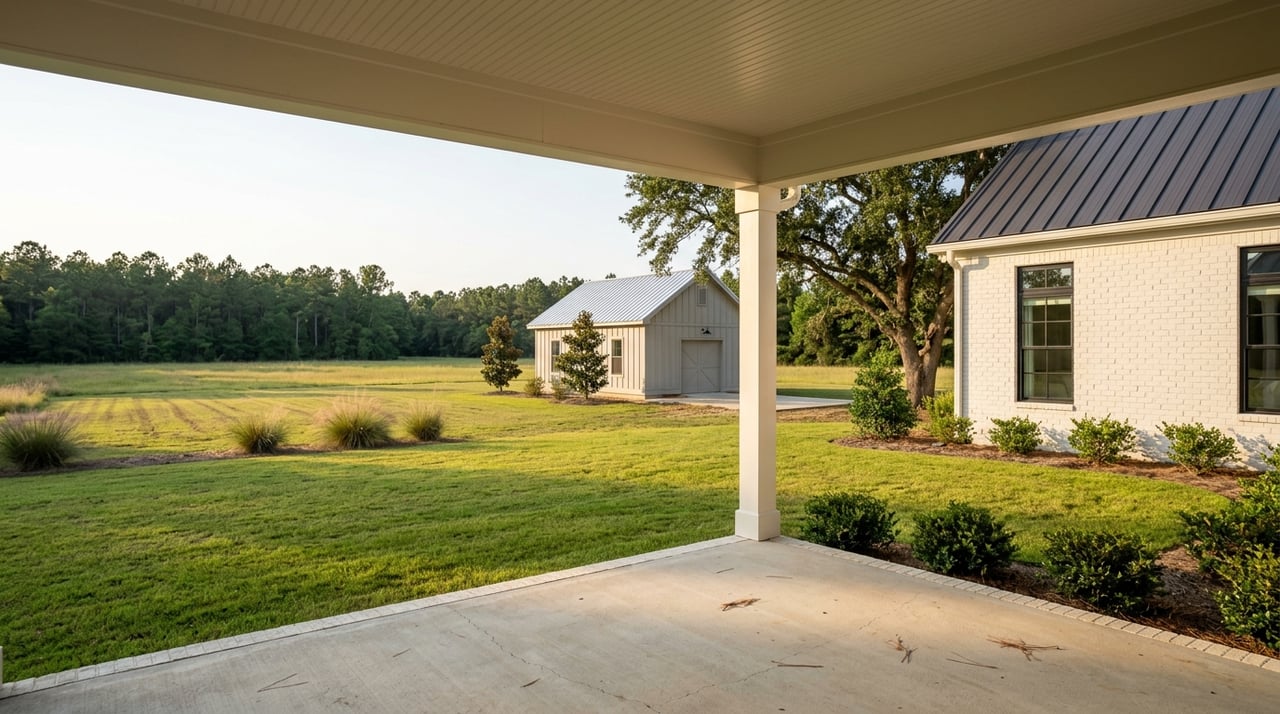
- Photograph open land, wooded sections, and functional improvements
The goal is simple: help buyers see how the property can be used. If the land supports privacy, recreation, pasture use, or a future homesite area, that should be easy to understand during a showing.
Explain the type of acreage clearly
Not all acreage is valued the same way. A homesite, pasture, timber tract, and recreational parcel may all appeal to buyers, but for different reasons.
For context, the USDA 2025 land values summary reported national averages of $4,350 per acre for farm real estate, $5,830 per acre for cropland, and $1,920 per acre for pasture. Mississippi Extension also reported statewide rental averages of $141.47 per acre for cropland and $25.23 per acre for pastureland. These figures do not price a Vancleave homesite, but they do show why land use should be explained carefully.
What buyers want to know
- Is the acreage mainly wooded, open, or mixed?
- Is it best suited for privacy, recreation, pasture, or future improvements?
- Are there trails, pond areas, or cleared sections?
- Is there fencing or evidence of managed use?
- What parts of the land are actually usable or accessible?
Clear positioning helps the right buyer connect with the property. It also helps prevent overpromising, which is especially important when land could be interpreted in several different ways.
Be careful with income potential claims
If your property has timber, hunting appeal, or possible lease value, those features may add interest. But they should be presented factually.
MSU Extension notes that hunting leases can diversify income and that lease value depends on factors like size, land cover, species, and amenities. The same publication also points to broader forestland benefits such as timber, watershed, wildlife, and recreation.
That does not mean every buyer will value the property the same way. One buyer may love the wooded privacy. Another may focus on open space or outbuildings. The best marketing approach is to describe existing features clearly and let buyers evaluate how those features fit their plans.
Prepare for well and septic questions
Many rural Mississippi properties rely on private wells and septic systems, and buyers often want more information before they feel comfortable moving forward. If your Vancleave property uses either system, it helps to gather records and understand basic separation and safety guidelines.
According to MSU Extension’s private well guidance, a septic tank should generally be at least 50 feet from a private well, and the drain field should generally be at least 100 feet from a well. The same source, along with Mississippi State Department of Health guidance cited there, recommends a flow test and equipment inspection when evaluating a well.
Helpful well and septic prep
- Locate any records you have for installation or maintenance
- Identify the well, septic tank, and drain field locations if known
- Be ready to share service history if available
- Expect buyers to ask whether inspections or testing are possible
Even if your systems are working well, having organized information can make the transaction feel more predictable for buyers.
Expect flood and drainage review
Flood and drainage questions are common with acreage. If any portion of your property may be in a flood hazard zone or include wet areas, buyers and lenders may take a closer look.
FEMA’s Flood Map Service Center is the official public source for flood-hazard maps. FEMA explains that these maps help lenders determine flood insurance requirements and help communities understand flood risk.
For sellers, this means two things. First, it is wise to review the map before listing if flood-zone questions may come up. Second, you should be ready for extra buyer review if the property includes low-lying land, standing water concerns, or possible wetlands.
Plan for longer showings and due diligence
Acreage buyers often spend more time on site than buyers touring a standard subdivision property. They may want to walk the land, study fence lines, inspect access points, and compare the advertised acreage with the areas that feel truly usable.
Because of that, the process can be more document-driven and a bit slower. Survey review, flood screening, well and septic questions, drainage concerns, and land-use evaluation can all extend the timeline compared with a more typical residential sale.
What to expect during showings
- Buyers may want to walk beyond the immediate yard
- They may focus on entrances, trails, fencing, and outbuildings
- They may ask where usable land begins and ends
- They may need more time to understand the parcel layout
This is normal. In many acreage sales, buyer confidence grows when they can physically see and verify how the property works.
Price and market the property strategically
In Vancleave, acreage listings need more than a standard home description and a few exterior photos. They usually perform better when the home and land are presented as one complete package with a clear story.
That story might focus on privacy, room to spread out, recreational features, open land, or support for a future custom-build vision. The right strategy depends on what the property actually offers and how clearly those benefits can be documented and shown.
A strong launch matters too. The Worth It Group’s approach emphasizes strategic pricing and early-market visibility in the first few weeks, supported by social media campaigns, SEO advertising, traditional media, and agent-to-agent referrals. For acreage homes, that early momentum can be especially important because the buyer pool is often more specific and more detail-focused.
How to make your sale smoother
If you are preparing to sell a home with acreage in Vancleave, focus on three priorities first:
- Clarify the land. Know the boundaries, access points, and usable areas.
- Organize the records. Gather surveys, disclosure details, and system information early.
- Present the property with purpose. Make it easy for buyers to understand what makes the land valuable.
When those pieces are in place, your listing has a better chance of attracting serious buyers and moving through due diligence with fewer surprises.
If you are thinking about selling and want a clear plan for pricing, prep, and launch strategy, connect with Christine Hudson for local guidance tailored to your Vancleave property.
FAQs
What makes selling acreage in Vancleave different from selling a regular home?
- Buyers usually evaluate both the house and the land, including access, boundaries, drainage, outbuildings, and how the acreage can be used.
What documents should you gather before listing a Vancleave home with acreage?
- Start with the survey or plat, easement information, any boundary details, well and septic records, and any flood or drainage-related information you have.
What do buyers ask about acreage property lines in Vancleave?
- Buyers often want to know where survey lines are located, where easements or access points exist, and which parts of the acreage are usable, fenced, or buildable.
What should you disclose when selling a home with land in Mississippi?
- Mississippi’s Property Condition Disclosure Statement asks about items such as surveys, encroachments, easements, drainage, standing water, flood-hazard zones, wetlands, and other restrictions based on your actual knowledge.
What should you do if a Vancleave acreage property has a well and septic system?
- Gather any available records, identify system locations if known, and expect buyers to ask about inspections, flow testing, and maintenance history.
How can you market the land on a Vancleave property more effectively?
- Make access clear, clean up functional areas, and use photos and property details to show whether the land offers privacy, recreation, open space, pasture, or other practical uses.
Why do flood-zone questions matter when selling acreage in Vancleave?
- Buyers and lenders may review flood-hazard maps to understand risk and possible insurance requirements, especially if parts of the land are low-lying or have drainage concerns.