Trying to choose between a historic home and new construction in Ocean Springs? It is a smart question, especially in a city where coastal charm and steady growth exist side by side. If you are weighing character against convenience, this guide will help you compare how each option fits your lifestyle, renovation goals, and long-term plans in Ocean Springs. Let’s dive in.
Ocean Springs Housing at a Glance
Ocean Springs offers a mix of older homes, mid-era housing, and newer development. According to the city’s draft 2045 plan, about 30% of the housing stock was built before 1970, about 45% between 1970 and 2000, and about 25% after 2000.
That blend matters when you start your search. You are not choosing between two small niche categories. In Ocean Springs, both historic homes and newer construction are meaningful parts of the market, which gives you real options depending on what you value most.
The city also remains largely single-family and owner-occupied. Census Reporter’s ACS-based profile shows 8,913 housing units, with 92% occupied, 69% owner-occupied, and 81% made up of single-unit structures.
Why Historic Homes Stand Out
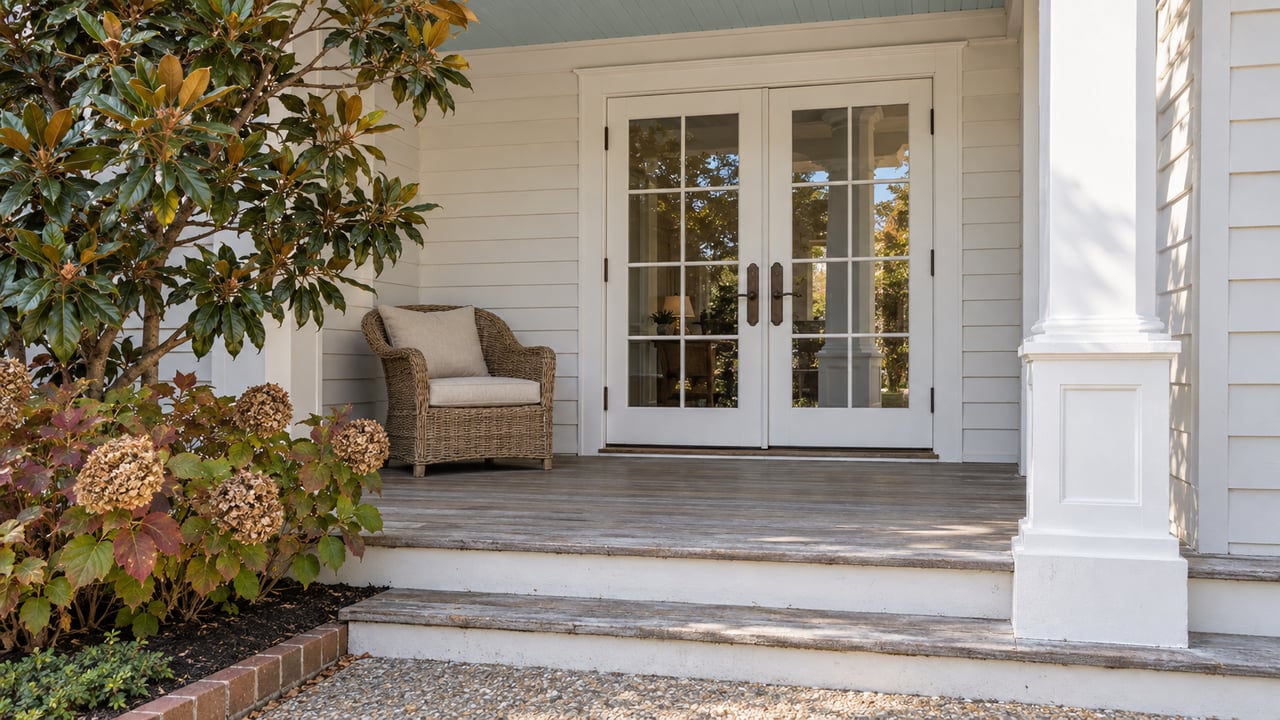
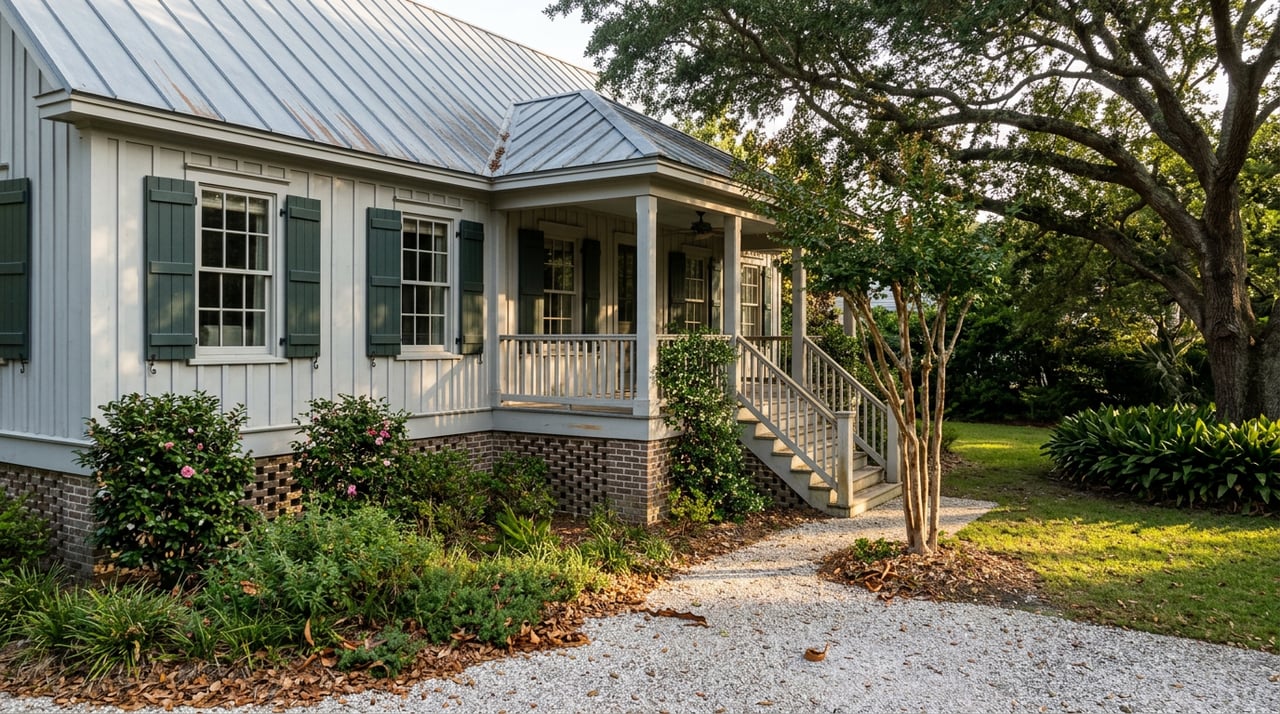
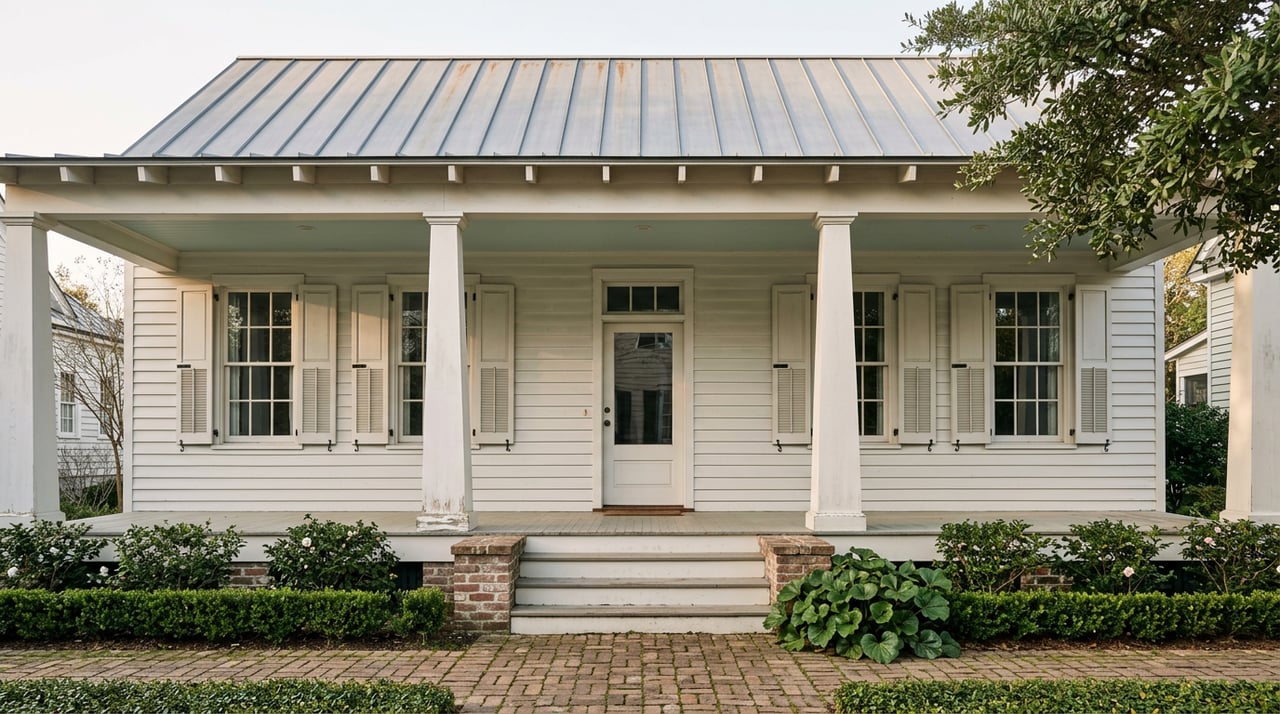
Historic homes in Ocean Springs often appeal to buyers who want more than square footage. You may be drawn to original architecture, established streets, deep porches, or mature trees that create a strong sense of place.
Ocean Springs has a long preservation history. The city began formal preservation work in 1979, and its Historic Preservation Commission oversees local designation and design review in designated districts.
Historic Districts in Ocean Springs
The city’s historic guidelines identify eight historic districts:
- Bowen Avenue
- Indian Springs
- Lover’s Lane
- Marble Springs
- Old Ocean Springs
- Railroad
- Shearwater
- Sullivan-Charnley
Each district has its own physical character. The city describes Old Ocean Springs as mixed-use and street-oriented with porches and varied styles, while Lover’s Lane includes waterfront estates dating from the 1870s to the 1920s.
Marble Springs is known for live-oak-shaded streets and varied lot sizes. Railroad reflects worker housing tied to the railroad corridor, Bowen Avenue is tree-shaded and narrow, and Shearwater is visually connected to the bluff and sound.
What Ownership Can Involve
If you buy a home in a locally designated historic district, exterior work usually requires design review and a Certificate of Appropriateness before a building permit is issued. According to the city, that can include new construction, demolition, relocation, and alterations.
Routine maintenance typically does not require review. Still, if you like the idea of changing windows, adding onto the home, or making visible exterior updates later, this is an important part of your decision.
Best Fit for Historic Homes
A historic home may be the right fit if you want:
- Architectural detail and original character
- Mature landscaping and established streets
- A home with a strong connection to Ocean Springs history
- A setting that feels more rooted and distinctive
For many buyers, that tradeoff is worth it. You may accept a little more upkeep or a more detailed approval process in exchange for a home that feels one-of-a-kind.
What New Construction Offers
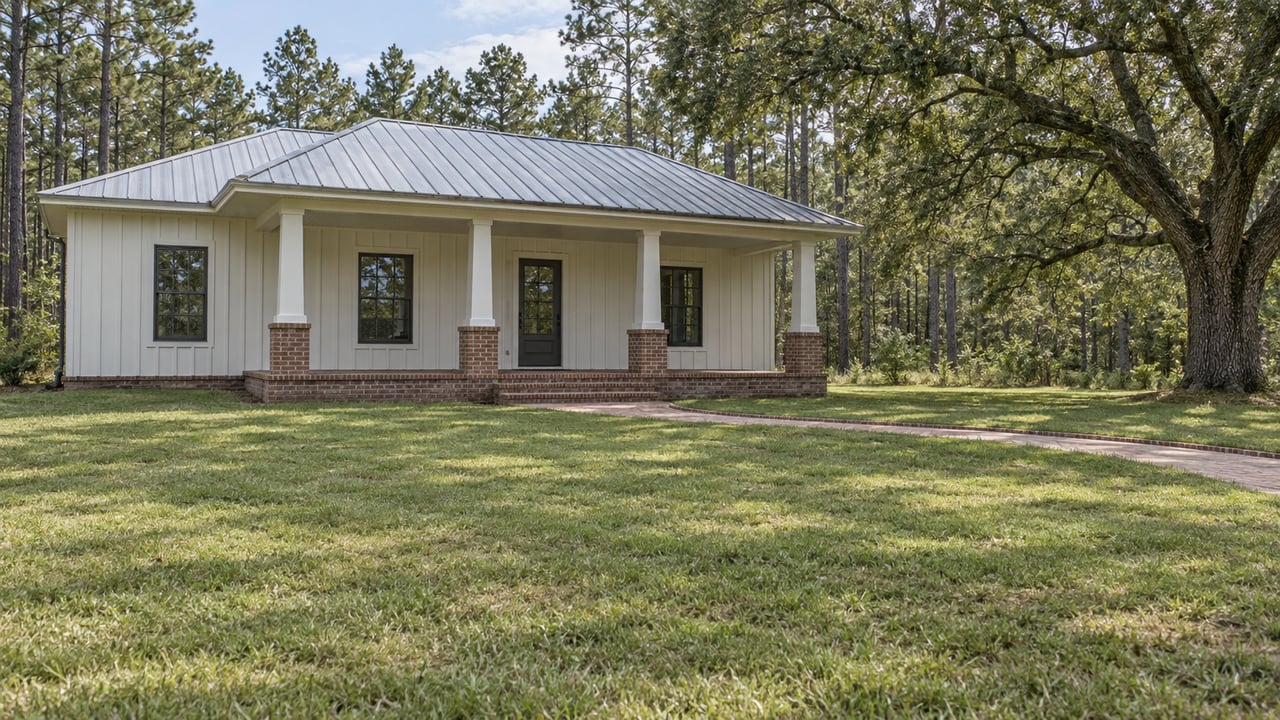
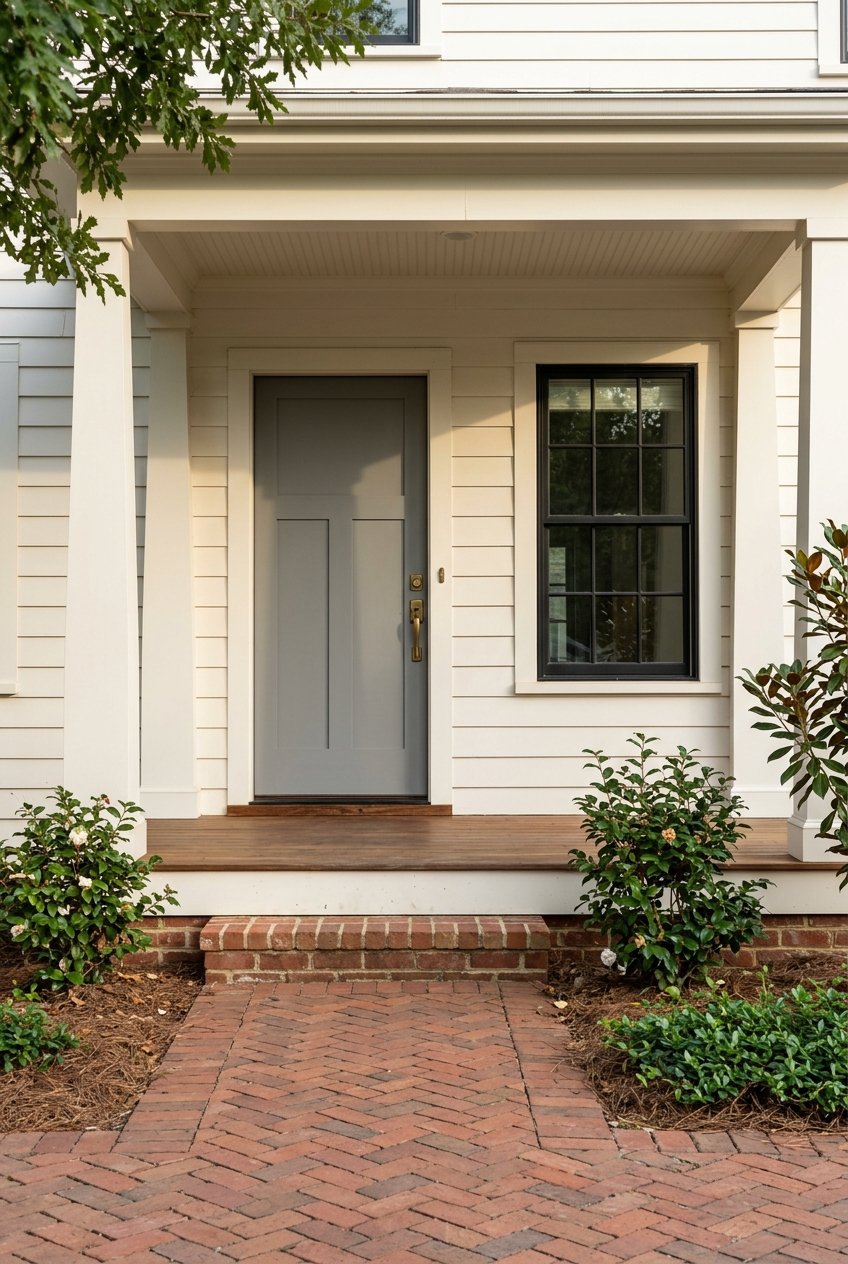
New construction appeals to buyers who want a more current floor plan, newer systems, and a home built under modern code requirements. In Ocean Springs, this option is especially relevant as the city continues to grow.
The 2024 annexation added about 5.9 square miles to the northeast and southeast. It also brought more than 700 dwelling units into the city and expanded the city’s footprint into areas with residential subdivisions and primarily single-family neighborhoods.
Where Newer Growth Is Happening
According to the city, newer-growth areas tied to the annexation include neighborhoods along and west of Highway 57 and Ocean Springs Road to the north, and along Old Spanish Trail and Greyhound Way to the south.
The annexation also added commercial areas, the high school, the sports complex, and planned utility improvements. If you are looking for a home in a developing part of Ocean Springs, these areas may offer more of the newer inventory you want.
Modern Codes and Systems
Ocean Springs’ building department says the city works under the 2018 International Building Codes. The city also enforces a flood-damage prevention ordinance that requires 18 inches of freeboard above the current base flood elevation.
That does not mean every new home is identical, but it does mean newer construction often comes with more current building standards. For buyers who prefer newer roofs, HVAC systems, wiring, insulation, and layouts, that can be a major advantage.
Potential Energy Benefits
Older homes and newer homes often perform differently when it comes to efficiency. The Department of Energy notes that many older homes have less insulation than homes built today.
The EPA says ENERGY STAR certified new homes are at least 15% more energy efficient than homes built to current code and typically 20% to 30% more efficient than standard new homes. If lower utility use matters to you, ask what certifications or documentation the builder can provide.
Best Fit for New Construction
New construction may be the better fit if you want:
- More modern systems and materials
- Fewer immediate repair concerns
- A floor plan designed for current living patterns
- Fewer historic-review constraints for exterior changes
This path can also make sense if you want build-to-suit guidance or are considering a custom-build journey. That is especially true if you want more say in layout, finishes, and how the home functions from day one.
The Biggest Tradeoffs to Compare
The right choice usually comes down to how you want to live, not just how a home looks online. Ocean Springs gives you two very different buying experiences, and each comes with its own set of questions.
Character vs. Convenience
Historic homes often bring texture, design detail, and a setting that feels hard to replicate. New construction tends to offer easier day-to-day living through newer materials, modern layouts, and fewer surprise repairs early on.
Neither is automatically better. It depends on whether you care more about charm and setting or simplicity and system performance.
Renovation Flexibility vs. Review Process
If you are planning visible exterior changes, historic ownership can involve extra approvals. In locally designated districts, the city requires design review for many types of exterior work before permits are issued.
With newer homes, you may have fewer historic-preservation hurdles. That can matter if you expect your needs to change and want easier flexibility for future updates.
Established Setting vs. Growth Areas
Historic neighborhoods often come with older street patterns, mature trees, and a more established feel. Newer-growth areas may offer more uniform development patterns and expanding infrastructure.
In annexed areas, it is smart to ask what utility service is already in place. The city says water, fire hydrants, and sewer will be extended in areas not already served over time.
Maintenance History vs. Newer Components
Older homes can be wonderful, but they often require closer review of maintenance history. Newer homes usually give you the benefit of newer components, though quality can still vary by builder and construction details.
That is why a careful tour matters. You want to look beyond style and ask practical questions that affect your budget and plans after closing.
Questions to Ask When Touring Historic Homes
When you walk through a historic property in Ocean Springs, keep your focus on both charm and constraints.
Historic Home Tour Checklist
- Is the home in a locally designated historic district?
- What exterior work has been completed, and was approval required?
- What future exterior changes would require design review?
- Are there flood-related requirements that affect renovations?
- Are there protected live oaks or magnolias on the property?
- What is the maintenance history of major systems and structures?
The city notes that flood rules and protected trees can add another layer to planning. Those details do not need to be deal-breakers, but they should be part of your decision.
Questions to Ask When Touring New Construction
Newer does not mean you should skip due diligence. You still want a clear understanding of location, utilities, code compliance, and performance.
New Construction Tour Checklist
- Is the home in a recently annexed area?
- What utilities are already in place today?
- Has the builder documented code compliance?
- Is there any energy certification or performance documentation?
- Is the property in a Special Flood Hazard Area?
- What options remain for finishes, design, or upgrades?
These questions can help you compare homes more clearly. They also help you understand whether a newer home offers the ease and predictability you expect.
How to Decide What Fits You Best
If you picture yourself on a porch in a long-established part of town, surrounded by mature trees and architecture with history, a historic home may feel like home right away. If you would rather spend less time thinking about updates and more time enjoying modern systems and layout, new construction may be the better fit.
In Ocean Springs, both options deserve a close look at flood exposure, maintenance history, and renovation flexibility. Because this is a coastal market, those details matter whether the home was built a century ago or last year.
The best decision is the one that matches how you want to live now and what you want your next few years to look like. If you want help comparing established neighborhoods, newer-growth areas, or even a custom-build path, Christine Hudson can help you sort through the tradeoffs with clear, local guidance.
FAQs
What is the difference between historic homes and new construction in Ocean Springs?
- Historic homes often offer architectural character, mature trees, and established streets, while new construction typically offers modern systems, newer materials, and fewer historic-review constraints.
What historic districts are located in Ocean Springs?
- The city identifies eight historic districts: Bowen Avenue, Indian Springs, Lover’s Lane, Marble Springs, Old Ocean Springs, Railroad, Shearwater, and Sullivan-Charnley.
What approvals are needed for historic homes in Ocean Springs?
- In locally designated historic districts, exterior work generally requires design review and a Certificate of Appropriateness before a building permit is issued, while routine maintenance usually does not require review.
Where are newer construction areas in Ocean Springs?
- Newer-growth areas are concentrated in parts of the 2024 annexation area, including neighborhoods along and west of Highway 57 and Ocean Springs Road to the north, and along Old Spanish Trail and Greyhound Way to the south.
What flood rules affect homes in Ocean Springs?
- The city says it enforces a flood-damage prevention ordinance requiring 18 inches of freeboard above the current base flood elevation, and structures in a Special Flood Hazard Area must follow special guidelines.
Is new construction more energy efficient than older homes in Ocean Springs?
- It can be. The Department of Energy says many older homes have less insulation than homes built today, and the EPA says ENERGY STAR certified new homes are at least 15% more energy efficient than homes built to current code.