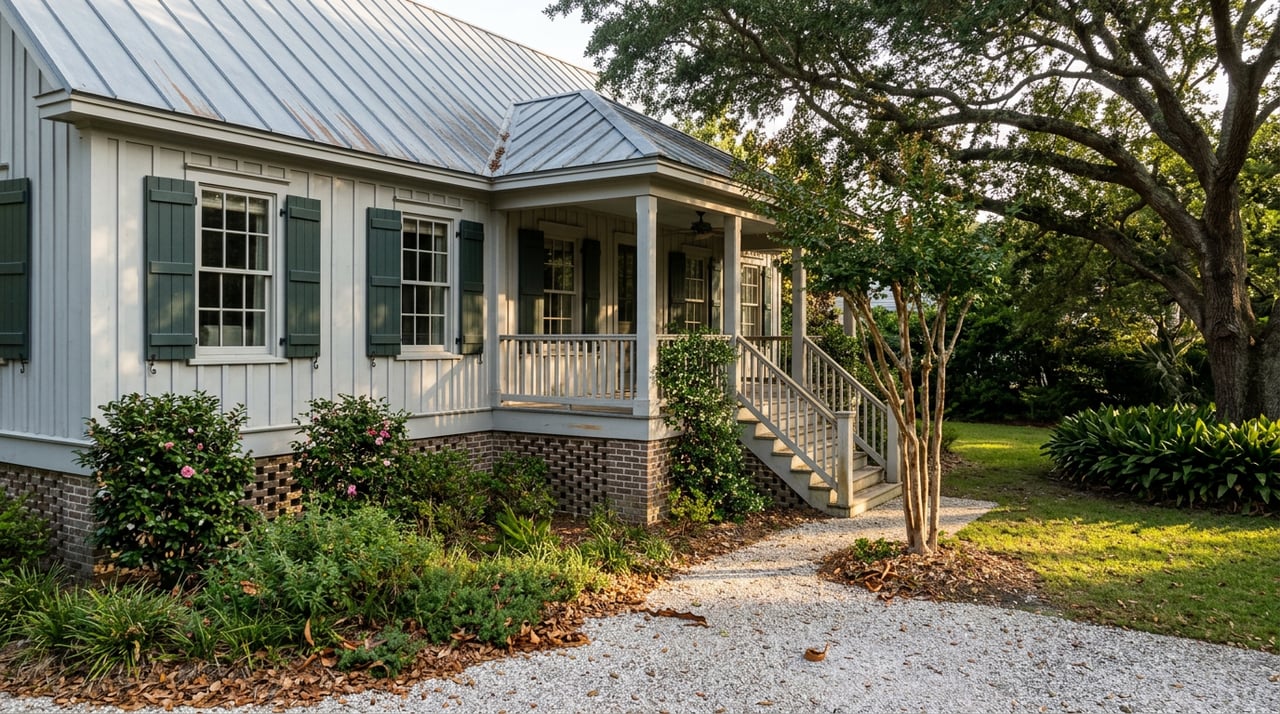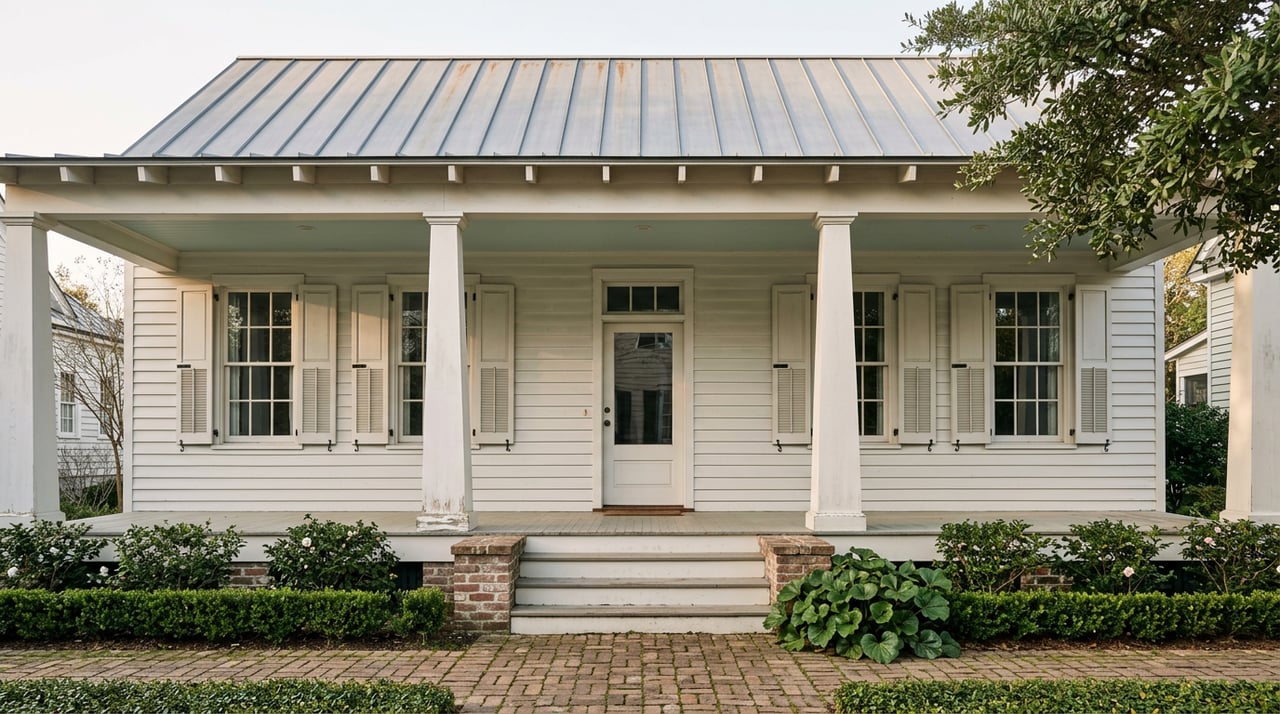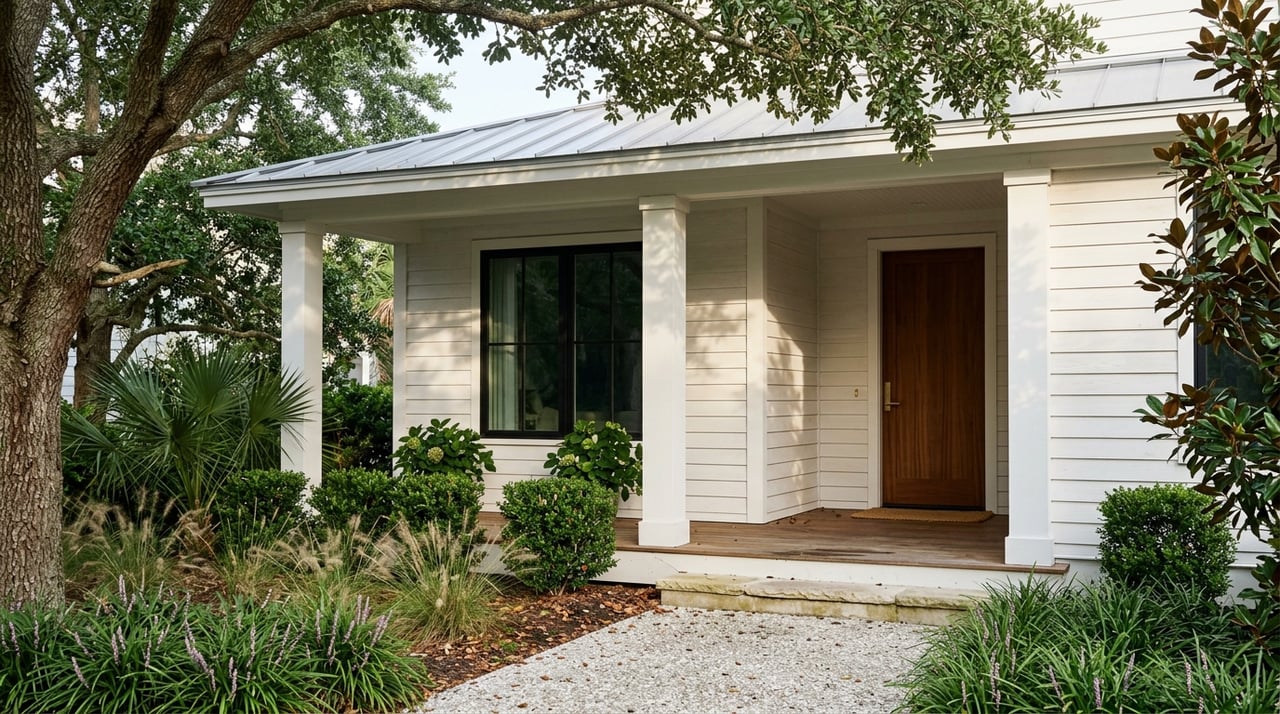
If you are thinking about buying in Ocean Springs, one question matters more than almost any other: what kind of daily life do you want your neighborhood to support? This city is not one uniform housing market. It works more like a collection of small lifestyle zones, each with its own balance of walkability, water access, historic character, and practical tradeoffs. In this guide, you will get a simple framework for comparing Ocean Springs neighborhoods so you can narrow your search with more confidence. Let’s dive in.
Why Ocean Springs Feels So Different Block to Block
Ocean Springs describes itself as an arts community with more than 100 restaurants, along with historic districts and growing commercial areas. That mix creates a market where neighborhood feel can change quickly from one area to the next.
For buyers, that means you are not just choosing a house. You are also choosing between older walkable areas near the historic core, water-oriented settings along the coast and bayous, and newer east-end growth areas with a more suburban pattern and easier commercial-corridor access.
Start With Four Buyer Questions
When you compare neighborhoods in Ocean Springs, it helps to use the same four questions at every stop on your tour. This keeps your search focused and makes tradeoffs easier to see.
How walkable do you want daily life to be?
Some buyers want to be close to the town-center feel of older streets, restaurants, and commercial districts. Others are fine driving more often if it means newer construction, more conventional subdivision layouts, or easier access to larger corridors.
How coastal do you want the setting?
Ocean Springs offers everything from inland convenience to homes closely tied to the shoreline, bayous, and bluff views. The closer you get to the water, the more important it becomes to evaluate not just the view, but also flood zone, elevation, insurance, and evacuation access.
Are you comfortable with historic-district oversight?
Historic neighborhoods can offer real charm and architectural character. They can also come with added review for exterior changes because the city’s Historic Preservation Commission reviews certain work in designated districts and landmark sites.
Is the property actually inside city limits?
This is a big local detail. The city notes that an Ocean Springs mailing address does not always mean the property is inside city limits, and recent annexation changed boundaries in some areas. That can affect municipal services, utility expectations, taxes, and whether city rules such as short-term rental zoning apply.
Downtown And Historic Core
If your ideal move is about charm, walkability, and older homes, the historic core is the strongest starting point. This part of Ocean Springs gives you the clearest town-center feel.
Old Ocean Springs Historic District
The Old Ocean Springs Historic District is one of the city’s core residential areas. City guidelines describe it as a large concentration of mostly street-oriented properties with architectural forms that include Creole cottages, Planter’s cottages, shotgun houses, and bungalows, along with Greek Revival, Queen Anne, and Craftsman interpretations.
For you as a buyer, that usually means more visible character, mature streetscapes, and homes that feel connected to the city’s history. It also means you should expect more variation in age, layout, lot shape, and renovation history than you might find in a newer neighborhood.
Railroad Historic District
The Railroad Historic District grew around the old rail corridor and depot area. The city notes that Washington Avenue became the main street after the railroad arrived, which helps explain why this area remains such an important reference point for buyers who want access to the historic center.
This district is useful to compare if you like older homes and a location tied closely to the city’s development pattern. It can appeal to buyers who value centrality and character over a more uniform subdivision feel.
Bowen Avenue
Bowen Avenue is a good micro-comparison within the historic core. The city describes it as a three-block, tree-shaded linear district with modest, street-oriented dwellings and a narrow layout that remains relatively isolated from through traffic.
That makes Bowen Avenue especially helpful if you love older-home character but want a quieter setting than the busiest downtown-adjacent blocks. It offers a reminder that even within the historic core, the street-by-street feel can vary in meaningful ways.
Coastal And Water-Oriented Areas
If your Ocean Springs search is driven by water views, bluff settings, or a second-home lifestyle, several areas stand out. These neighborhoods offer some of the strongest coastal identity in the city.
Shearwater
Shearwater is one of the clearest water-oriented comparisons in Ocean Springs. The city describes it as a series of bluffs overlooking the Mississippi Sound, with homes set back by long drives and vegetation, along with estate remnants and later residential construction from the 1930s through the 1970s.
For buyers, Shearwater can feel more private and scenic than denser in-town streets. At the same time, the city also lists Shearwater among flood-prone areas, so view and setting should always be weighed alongside flood-related due diligence.
Sullivan-Charnley
Sullivan-Charnley is described as a waterfront district with contiguous estates between three bayous, a low-bluff setting, and broad water views. If you are looking for a premium coastal atmosphere, this is one of the strongest comparison points in Ocean Springs.
This type of setting often appeals to buyers who want the home itself to be part of the lifestyle experience. As with other low-lying or water-adjacent locations, practical review matters just as much as aesthetics.
Lover’s Lane
Lover’s Lane sits on a peninsula between Back Bay of Biloxi and Old Fort Bayou. The city notes its grand summer estates, bay-facing lots, and older architectural styles such as Greek Revival, Queen Anne, and Spanish Colonial Revival.
For you, that means Lover’s Lane may offer a mix of water influence, historic identity, and larger-lot appeal. It is also a designated historic district, so buyers should factor in both preservation oversight and the realities of maintaining an older coastal property.
Front Beach And East Beach
Front Beach and East Beach play a major role in the Ocean Springs coastal lifestyle story. They are also areas where public access and flood considerations are part of the conversation.
The city lists both on its flood-prone areas page. It is also advancing public-facing improvements, including an East Beach pathway along the seawall and a Front Beach event space and pavilion project tied to green space, seating, restrooms, and marina-related planning.
Front Beach also benefits from Fort Maurepas Park, which includes parking, picnic areas, a pavilion, a playground, a splash pad, a stage, and restrooms. For some buyers, that public amenity access is a plus. For others, it is a reminder to think carefully about activity levels, access patterns, and what kind of coastal setting feels right for everyday life.
East-End And Annexed Growth Areas
If your priority is newer growth, corridor convenience, or a more suburban feel, the east end deserves close attention. Ocean Springs’ 2024 annexation added about 5.9 square miles to the northeast and southeast, including more than 700 dwelling units, around 60 businesses, and the high school.
The city says it plans to extend utilities and streetlights in the annexed area over time. Its long-range planning materials also point to major corridors near U.S. 90, Highway 57, Ocean Springs Road, Old Spanish Trail, and Greyhound Way as important growth and commercial areas.
For buyers, this part of Ocean Springs is often the best comparison point if you want newer subdivisions, commercial-corridor access, or a more convenience-driven layout. It may feel less historically layered than the core and less overtly coastal than bluff or beach areas, but that can be exactly the right fit depending on your goals.
What Matters Most Before You Tour
In Ocean Springs, neighborhood choice is closely tied to property due diligence. A beautiful home in the right location still needs to work for your budget, your future plans, and your comfort level with coastal ownership.
Check flood zone and elevation early
The city’s building department warns that many areas can flood even outside a Special Flood Hazard Area. It also says flood zones and elevation data should be checked before buying, and that development in the flood plain requires permits.
This is especially important in areas the city specifically identifies as flood-prone, including East Beach, Front Beach, and Shearwater. If you are comparing coastal neighborhoods, flood risk is not a side issue. It is part of the neighborhood decision itself.
Confirm historic-district rules
If you are drawn to a home in Old Ocean Springs, Bowen Avenue, Railroad, Shearwater, Lover’s Lane, Sullivan-Charnley, Indian Springs, or Marble Springs, ask early about historic-district status. Exterior projects may require a different level of planning and review than they would in a newer area.
That does not make historic ownership a bad fit. It just means you should go in with clear expectations, especially if renovation is part of your plan.
Verify city-limit status
Because mailing address and city jurisdiction are not always the same, it is smart to confirm whether a property is inside city limits. This can affect services, rules, and what local regulations apply.
That step matters even more now because annexation expanded the city boundary. If you are comparing east-end or recently annexed properties, this should be part of your checklist.
Ask about short-term rental rules
If you are buying a second home or want occasional rental flexibility, check city rules before you get too far into the process. Ocean Springs regulates short-term rentals within city limits, uses a city GIS map, includes a Downtown Overlay District zone, and caps residential short-term rental permits at 115.
That does not mean your plan will or will not work. It means the neighborhood decision should include a rules review if rental use is part of your strategy.
A Simple Way To Narrow Your Search
Most Ocean Springs buyers can narrow the map quickly by deciding which tradeoff matters most. In this market, the biggest differences tend to come down to lifestyle fit rather than a single “best” area.
Here is a practical way to think about it:
- Choose the historic core if you value walkability, older homes, and a town-center feel.
- Focus on Shearwater, Sullivan-Charnley, Lover’s Lane, Front Beach, or East Beach if coastal setting and water influence are driving your search.
- Look toward the east end and annexed areas if you want newer-growth convenience, corridor access, and a more suburban pattern.
- Prioritize Bowen Avenue-type streets if you want historic charm in a quieter setting.
The right fit depends on how you want to live day to day, not just what looks best online.
If you want help comparing Ocean Springs neighborhoods in a calm, practical way, Christine Hudson can help you sort through walkability, flood considerations, historic-district questions, and location tradeoffs so you can move forward with confidence.
FAQs
What is the best Ocean Springs neighborhood for walkability?
- Downtown-adjacent historic areas like Old Ocean Springs and the Railroad Historic District are the strongest reference points for buyers who want the highest degree of daily walkability and older-home character.
Which Ocean Springs neighborhoods feel most coastal?
- Shearwater, Sullivan-Charnley, Lover’s Lane, Front Beach, and East Beach are the clearest coastal comparisons because of their relationship to bluffs, bayous, beaches, or water views.
What should coastal homebuyers check before buying in Ocean Springs?
- You should verify flood zone, elevation, insurance implications, evacuation access, and whether the property is in a city-identified flood-prone area before you make a decision.
Do historic districts in Ocean Springs affect renovations?
- Yes. In designated historic districts and landmark sites, the city’s Historic Preservation Commission reviews applications for certain exterior work such as alteration, restoration, demolition, moving, or new construction.
Are all Ocean Springs addresses inside city limits?
- No. The city states that an Ocean Springs mailing address does not necessarily mean the property is inside city limits, so you should confirm jurisdiction because it can affect services, taxes, and city rules.
Can you use a second home in Ocean Springs as a short-term rental?
- Maybe, but you need to verify the property’s location within city limits and review local short-term rental rules, including the city’s permit cap and zoning considerations such as the Downtown Overlay District.